
Ameya Panchal
CS, physics & AI at Penn State.Independent interpretability research.
My neutron-star paper is in peer review, and I am transitioning into AI safety research in mechanistic interpretability. Currently I am developing measures for internal monitoring when a model's chain of thought becomes illegible.
SEP2026
SPARCurrent
Mentee researcher, with two fellow mentees
Do residual-stream probes survive degrading chain-of-thought legibility? Testing whether classifiers on a model's internal activations still catch harmful reasoning as its written reasoning degrades.
JUL2026
Independent researchOngoing
Mechanistic interpretability
Circuits and lenses in GPT-2, Pythia, Qwen3 and Gemma-2, with PyTorch and TransformerLens. Every figure regenerates from a public repository.
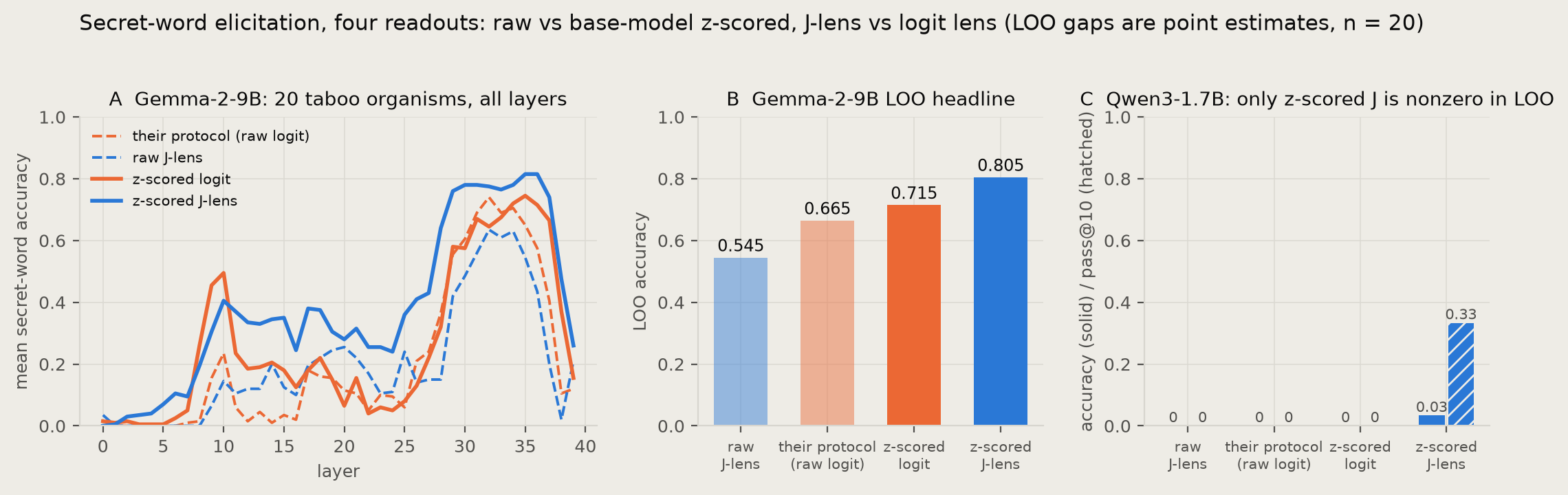 The J-lens offset is the model's token frequencySubtracting it hurts; z-scoring it helps
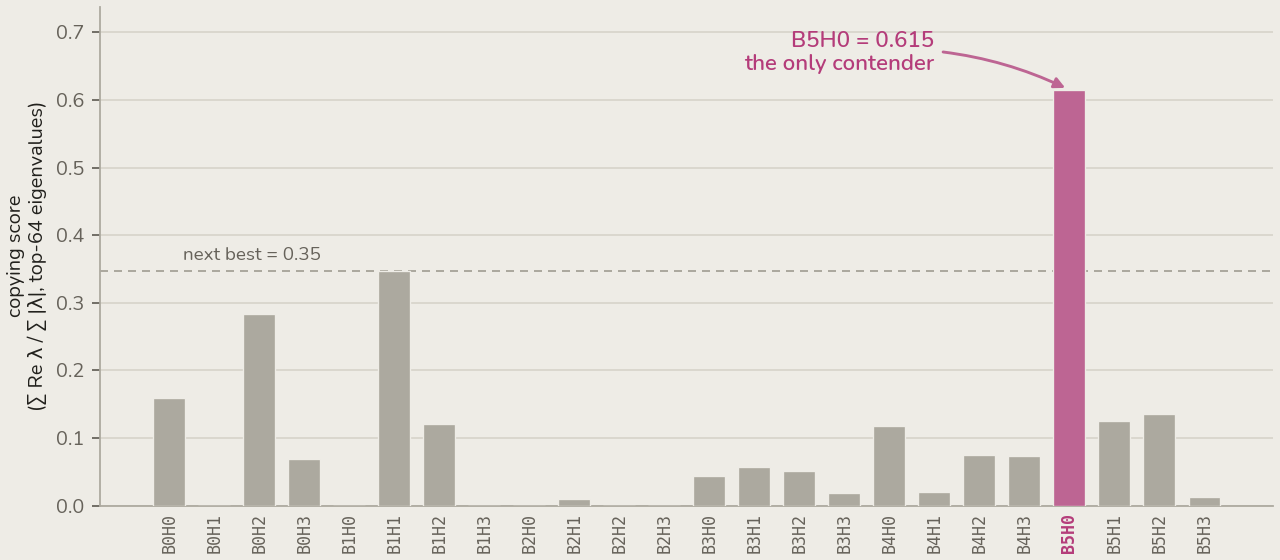 An induction head in disguiseChasing grammar in a character-level transformer
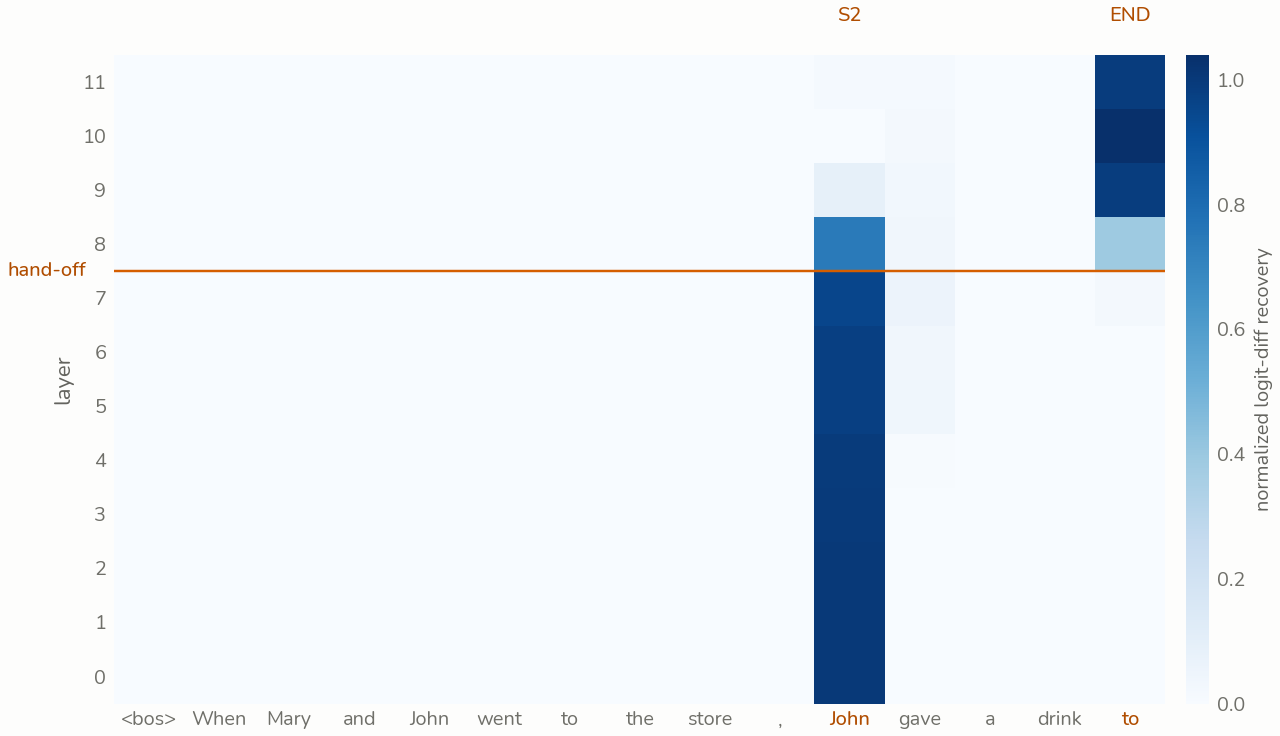 Every method has a blind spotReading GPT-2's IOI circuit three ways
JUN2026
Penn State Multi-Campus REU
Undergraduate researcher, advised by Prof. Asif ud-Doula
The paper in peer review today started here: X-ray photons scattering through a neutron star's atmosphere, simulated to measure the error a common assumption introduces. First author, under review at Astrophysics and Space Science.
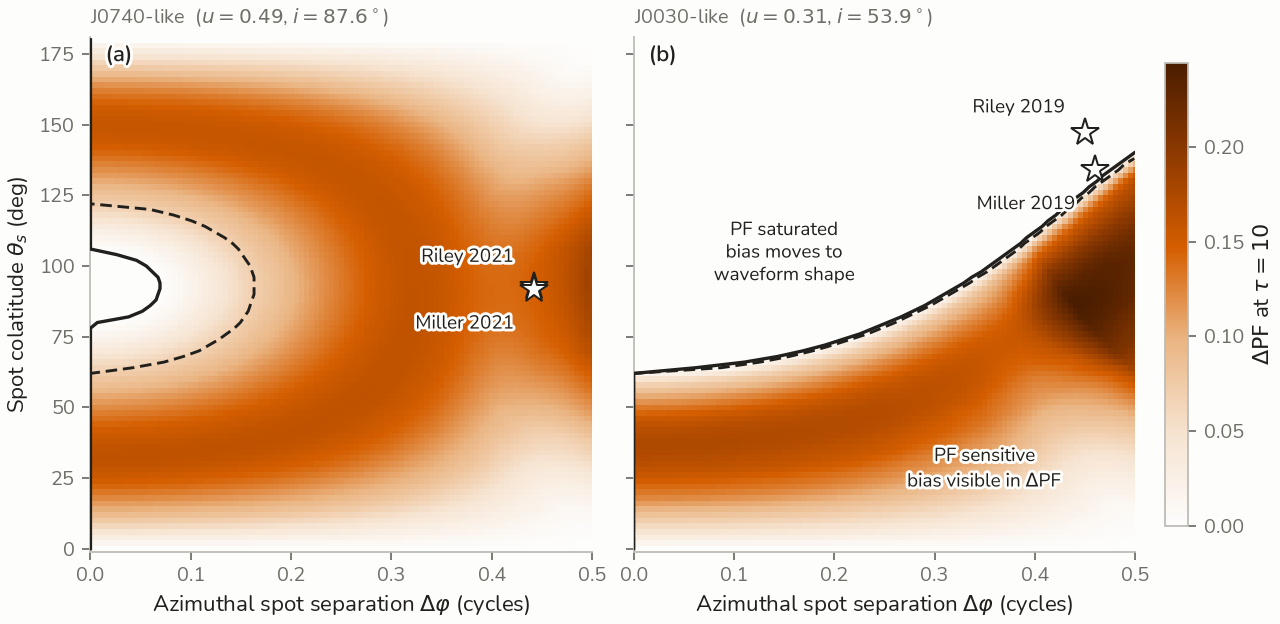 Where the error hidesThe isotropy bias in neutron-star pulse profiles
FEB2026
CrashAICurrent
Founder & technical lead, team of three
A crash-risk analysis platform: a crash-severity model with per-site explanations and what-if simulation. First of 40 teams at the Nittany AI Challenge 2026.
DEC2025
Nittany AI Advance
Application specialist, team of five · through April 2026
An OCR, LLM and regex pipeline that extracts metadata from scanned project documents, for Penn State's Office of the Physical Plant.
AUG2024
The Pennsylvania State UniversityCurrent
B.S. Computer Science, minors in Physics and AI
Schreyer Honors College. Expected May 2028.
End of the road, for now.
Thanks for walking it with me.
Colophon — how this site is built.